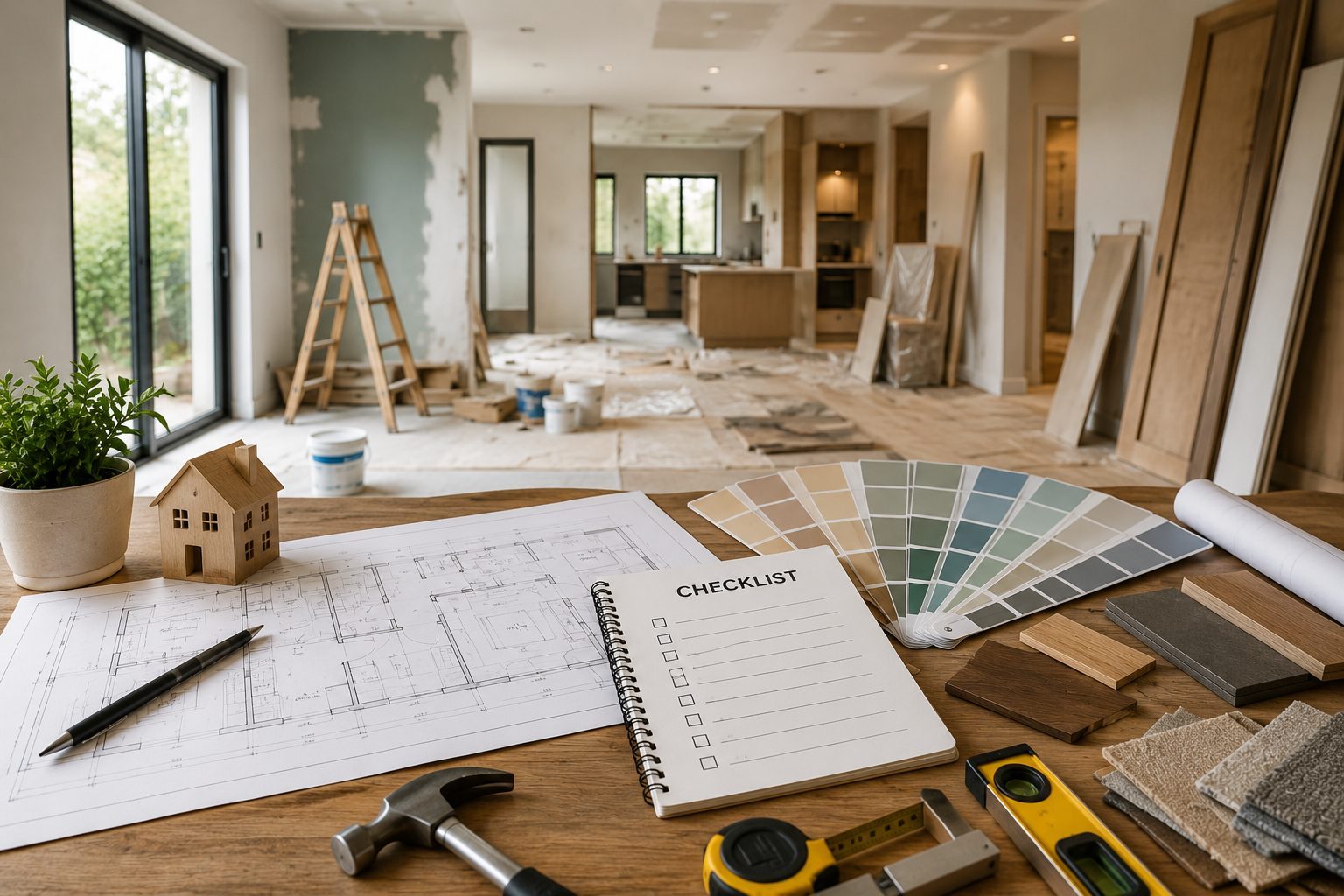
R enovating a home is one of the most rewarding upgrades you can make — and one of the easiest to get wrong without a clear plan. Between budgeting, approvals, material choices, and finding the right team, a renovation touches almost every decision a homeowner makes about their space. A structured checklist keeps the process organised from the very first idea through to the final walkthrough, helping you avoid the delays and surprises that derail so many renovation projects.
A renovation is only as smooth as the planning that happens before the first wall comes down.
VNC Interiors
1. Define Your Renovation Goals
Before anything else, get specific about what you actually want to change and why. Are you renovating for more space, better functionality, updated aesthetics, or to fix underlying issues like poor plumbing or outdated electrical wiring? Write down your priorities and separate "must-haves" from "nice-to-haves" — this single step prevents scope creep later, when budgets and timelines start to feel the pressure of added requests.
2. Set a Realistic Budget
Every renovation budget should include a contingency of at least 10-15% for unexpected findings — old buildings especially tend to reveal issues like hidden dampness, outdated wiring, or structural wear once work begins. Get detailed quotations broken down by category (civil work, electrical, plumbing, finishes, fixtures) so you can see exactly where your money is going and identify areas where you can adjust if costs run higher than planned.
3. Check Approvals and Permissions
Depending on the scope of work, renovations — especially those involving structural changes, additional floors, or changes to the building's exterior — may require approvals from your local municipal authority or your apartment association. Sorting this out early avoids work stoppages midway through the project, which are far more disruptive and costly than a short delay at the planning stage.
4. Plan the Scope: Structural vs. Cosmetic Renovation
Structural renovations — such as removing walls, adding rooms, or changing layouts — require careful engineering assessment and typically take longer and cost more than cosmetic renovations like repainting, flooring updates, or fixture replacements. Knowing which category your project falls into early helps set realistic expectations for both timeline and budget from the outset.
5. Choose Quality Materials
Materials selected during a renovation need to balance appearance, durability, and budget — and it's worth spending a little more on items that are expensive or disruptive to replace later, like flooring, bathroom fittings, and modular kitchen components. Cutting corners on materials that see daily wear often costs more in the long run through early repairs and replacements.
6. Hire the Right Renovation Partner
A renovation involves coordinating civil work, electrical, plumbing, carpentry, and finishing — all of which is far easier to manage with a single experienced team rather than multiple independent contractors. Look for a renovation partner with a proven portfolio, transparent pricing, and clear communication, since this single decision has more influence over how smoothly your renovation goes than almost any other factor.
7. Create a Realistic Timeline
Renovation timelines should account for material lead times, approval waiting periods, and a reasonable buffer for unexpected delays — rushing a renovation timeline is one of the most common causes of compromised quality. Ask your renovation partner for a phase-by-phase schedule so you know what to expect at each stage and can plan your own life around the disruption accordingly.
8. Prepare for Living During Renovation
Decide early whether you'll stay in the home during renovation or move out temporarily, since this affects both the pace of work and the precautions needed to protect your belongings and daily routine. If staying in place, discuss dust control, work hours, and access arrangements with your renovation team so the process is as manageable as possible for your household.
Why Choose VNC Interiors?
At VNC Interiors, we manage renovations end-to-end — from initial assessment and approvals through to civil work, interiors, and final finishing — so homeowners have one accountable team throughout the process instead of juggling multiple contractors. Our transparent quotations, structured timelines, and quality materials help ensure your renovation stays on budget, on schedule, and true to your original vision.
Conclusion
A successful home renovation comes down to clear goals, realistic budgeting, the right approvals, and a dependable team managing execution. Working through this checklist before you begin gives you a strong foundation to renovate with confidence, rather than uncertainty.
Planning a renovation? Talk to VNC Interiors for a free consultation and a clear, transparent plan for your project in Bangalore.